
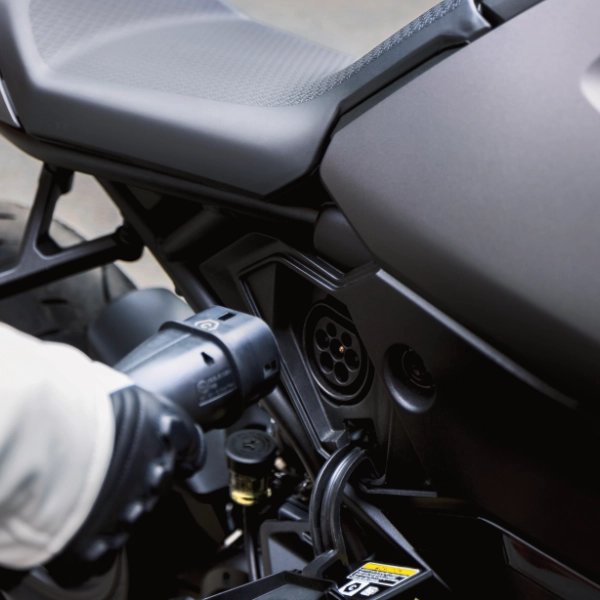
Electric mobility is becoming increasingly important not only for cars, but also for motorcycles. E-motorcycles score points not only for their environmental friendliness and innovative technology, but also for their considerable cost advantages compared to conventional combustion engine motorcycles. In this article, we highlight the most important financial aspects that speak in favor of e-motorcycles.
One of the most obvious advantages of electric motorcycles is the energy costs. The electricity consumption of an electric motorcycle is significantly cheaper than the gasoline consumption of a comparable combustion engine motorcycle. The price for a kilowatt hour of electricity averages between 35 and 50 cents. This means that a full charge of an 8.9 kWh battery costs less than 5 euros and provides a range of around 140 kilometers. In comparison, an average combustion engine motorcycle consumes around 5 liters of premium gasoline per 100 kilometers. With an average gasoline price of 1.60 to 1.70 euros per liter, this results in fuel costs of around 8 to 8.50 euros for a shorter distance. The combination of low electricity costs and high efficiency makes electric motorcycles extremely economical to operate.
Compared to combustion engines, electric motors have significantly fewer moving parts. This means:
This lower complexity results in lower maintenance and repair costs. In addition, wear parts such as brake pads are often more durable on electric motorcycles, as recuperation (energy recovery during braking) reduces mechanical wear.
A key financial advantage of electric motorcycles over combustion engine motorcycles lies in tax breaks. In Germany, electric vehicles, including electric motorcycles, are completely exempt from vehicle tax until the end of 2030. This is a clear incentive to switch to environmentally friendly electric mobility.
While owners of combustion engine motorcycles have to pay annual vehicle taxes, owners of electric motorcycles benefit from this tax exemption. Depending on the engine power and displacement of a combustion engine motorcycle, this can easily save between €50 and €150 per year. Over the entire tax exemption period until 2030, the savings can therefore be considerable.
This regulation not only makes electric motorcycles more environmentally friendly, but also more economically attractive, supporting the long-term transition to sustainable mobility.
While components such as clutches and exhaust systems wear out regularly in combustion engine motorcycles, this is largely not the case with electric motorcycles. Electric motors are virtually maintenance-free, and battery technology is also becoming increasingly durable.
Insurance for electric motorcycles is often cheaper than for comparable combustion engine models. This is partly due to the lower accident statistics.
The cost advantages of electric motorcycles are clear. Lower operating costs, reduced maintenance expenses, and government incentives make them an economically viable alternative to combustion engine motorcycles. In addition to the financial benefits, they also contribute to reducing CO₂ emissions and offer a quiet, emission-free riding experience. Anyone considering purchasing a motorcycle should definitely factor the long-term savings of electric motorcycles into their decision.